Clinical Trial Translation Services
Pharmaceutical and ICF work at Semantics Trans Pvt. Ltd. runs with no AI at any stage: translation, editing and proofreading by three separate native-language professionals, plus a separate digit-by-digit check of every figure. We have handled life sciences translation for more than 25 years, with millions of words translated into all 11 Indian languages and Urdu, plus major Asian languages. This article explains what clinical trial translation covers, the type of documents and languages we handle, how we protect accuracy, and what to send us to get a quote.
Excerpts from our most technical assignments
Here are a few excerpts from the most technical medical, pharmaceutical and ICF assignments we have handled between 2005 and 2023 (18 years).
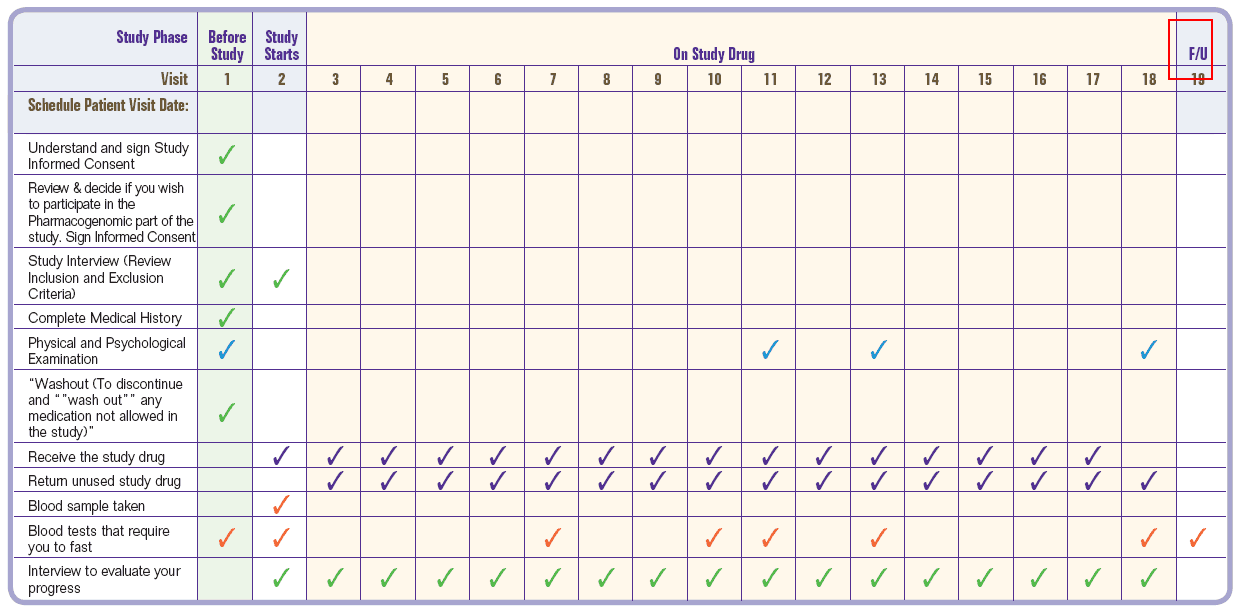 #67Clinical Study Visit Chart/Visit GuidePatient materials
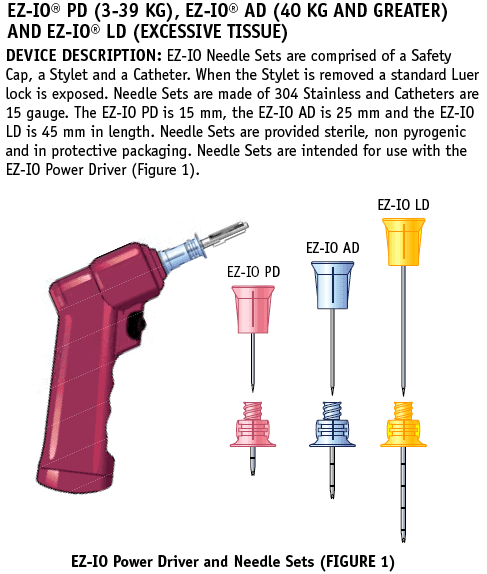 #69Intraosseous InfusionEmergency medicine
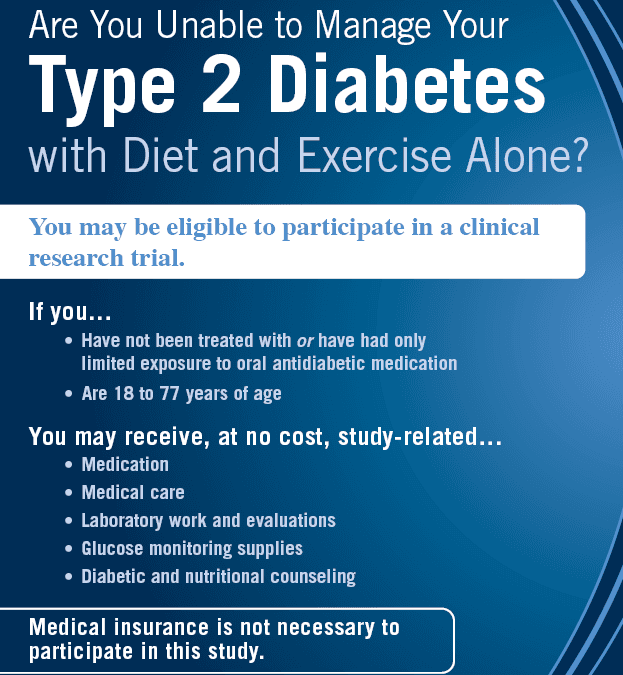 #68Type-2 Diabetes Clinical Research StudyDiabetes
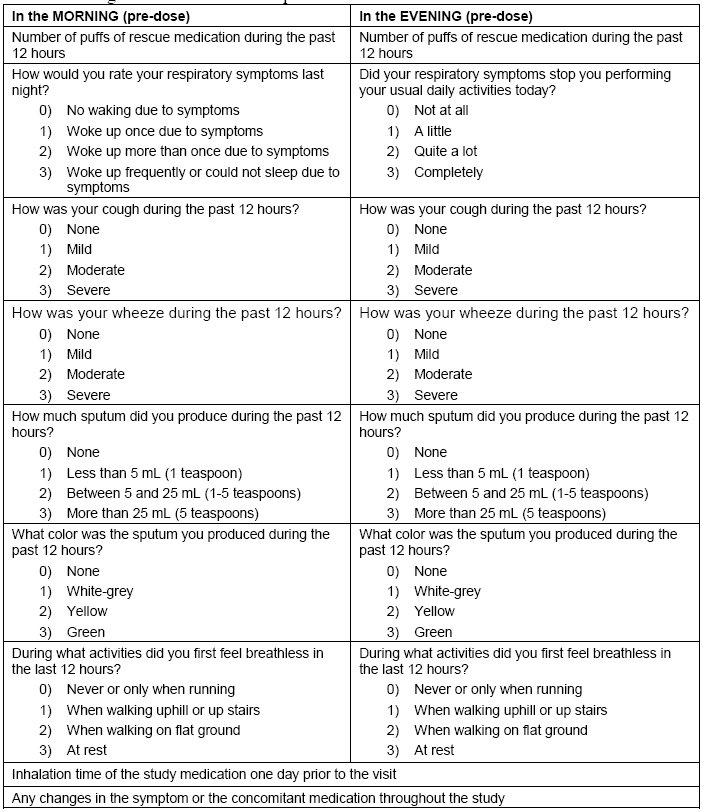 #71Patient DiaryRespiratory
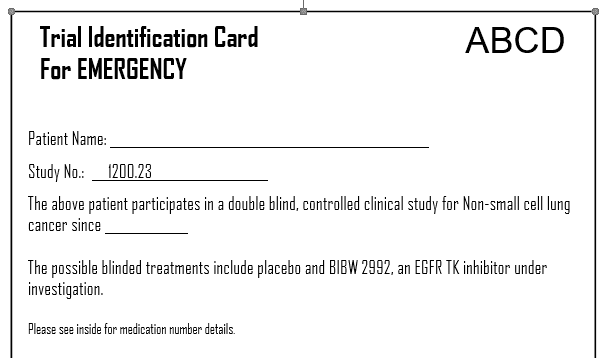 #32Patient Trials Identification CardOncology
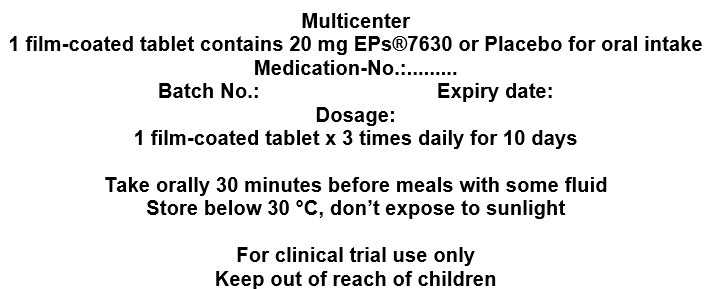 #45Title (Acute Rhinopharyngitis)Respiratory
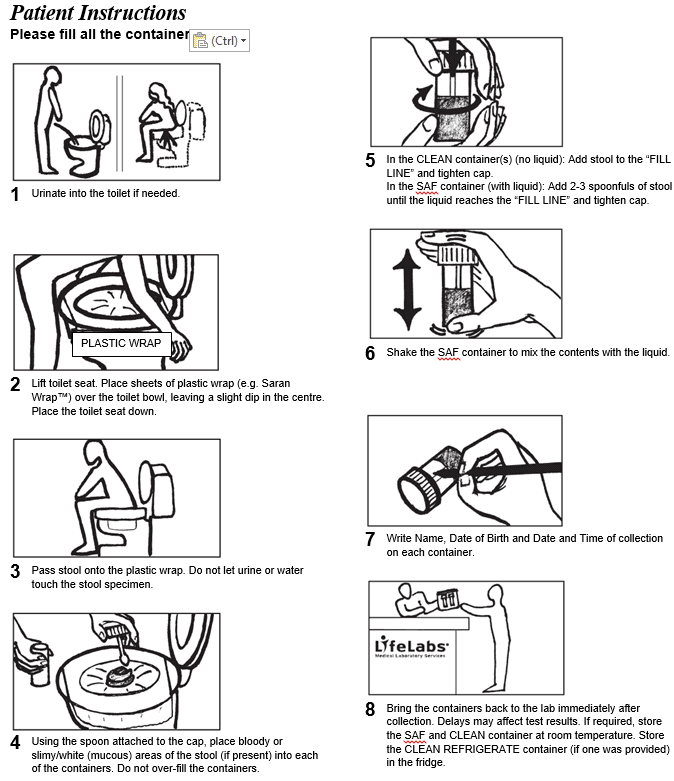 #42Collecting Stool samplesGastroenterology
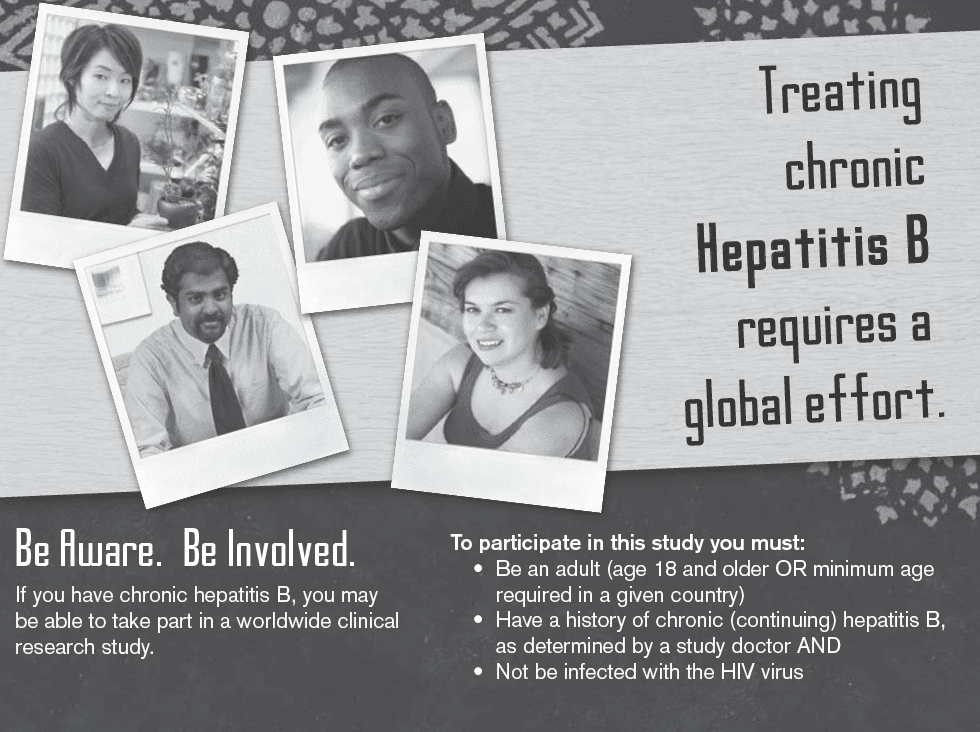 #82Hepatitis BrochureHepatology
What Is Clinical Trial Translation?
Clinical trial translation is the conversion of study documents, such as informed consent forms, protocols, participant diaries, visit schedules, patient cards and questionnaires into the languages that participants, investigators and ethics committees read. Unlike general medical translation, the wording must match the approved protocol and be understood by people with no medical training.
A clinical trial produces documents for very different readers. A participant reads the consent form and the diary at home, an investigator reads the protocol, and an ethics committee reviews them all. Each reader needs wording they can act on, so a mistake is not a style problem: it can change what a participant understands about risk, or how a site applies eligibility and dosing.
Our Experience: 14 of our 30 most recent projects were healthcare or pharmaceutical, spanning 38 target languages. Our life sciences work covers consent forms, protocols, diaries, questionnaires and patient information, since 25+ years.
Clinical Trial Documents we translate
We translate the documents each reader meets during a study, from the consent form signed at enrolment to the diary a participant keeps at home.
| Document | Who reads it | Where an error does the most harm |
|---|---|---|
| Informed consent forms (ICF) | Participants, ethics committees | Risks or procedures misunderstood, so consent is not truly informed |
| Pediatric assent forms | Children and parents | Wrong reading level or tone for a child |
| Protocols | Investigators, site staff | Eligibility, dosing or visit schedule read differently at different sites |
| Participant diaries and ID cards | Participants at home | Instructions misread; an emergency card that cannot be understood |
| Recruitment material | Prospective participants | Over- or under-statement of benefits and risks |
| Questionnaires and rating scales (patient-completed, clinician-administered, site-specific) | Participants, clinicians | Response options and scale anchors shifting meaning between languages |
| Visit charts and patient instruction sheets | Participants | Wrong dates, steps or restrictions |
Our Experience: Our excerpts library holds 100+ samples from our most technical medical, pharmaceutical and ICF assignments between 2005 and 2023, including patient diaries, ID cards, visit charts and consent forms. a lot of them of them include the original document.
Why Technical Terms Are Misread in Clinical Trial Translation
The most common failure is not a wrong word but a right-looking word read in its everyday sense. A term that looks easy can mean something quite different in a trial. Four examples from our reference library:
Double-blind
Can be misread as
blind in both eyes
In clinical use
In a trial it means neither the participants nor the researcher knows who receives the active treatment and who receives a placebo.
Serious vs severe
Can be misread as
synonyms
In clinical use
Severe describes intensity; serious is based on outcome, such as hospitalisation or lasting disability. A severe headache can be of minor medical significance.
Baseline
Can be misread as
a line on a tennis court
In clinical use
Baseline is an initial measurement used as the point of comparison for later evaluations.
Arm
Can be misread as
a limb
In clinical use
Arm is a planned pathway through the study to which participants are assigned.
A translator who has not met these terms in context will render them literally, and a fluent-sounding translation can hide the mistake. Read all 81 terms that are easily misread, or see our ICF and pharmaceutical terminology and common issues with ICF translations.
Our Experience: We keep a library of 81 life sciences terms whose literal meaning misleads, each with a sourced definition, and we build translation memories and glossaries for them in each language we work in.
Languages We Cover, and Why India Needs Them
We translate clinical trial documents into all 11 Indian languages and Urdu, plus major Asian languages, using translation memories and glossaries built for life sciences.
11 Indian languages and Urdu
Assamese, Bengali, Gujarati, Hindi, Kannada, Malayalam, Marathi, Odia (Oriya), Punjabi, Tamil, Telugu and Urdu (besides, some local Indian dialects are also included).
Major Asian languages
Arabic, Bangladeshi Bengali, Burmese, Dari, Farsi, Khmer, Indonesian, Malaysian, Pashto, Simplified/ Traditional Chinese, Cantonese, Taiwanese Chinese, Sinhalese, Sri Lankan Tamil, Tibetan and Thai.
A single trial in India can need consent forms in many languages, because participants must be able to understand what they sign. Regulators and ethics committees expect this. FDA guidance, for example, says consent information must be in language the subject can understand, which covers the plain wording as well as the language itself. Indian ethics committee templates reflect the same expectation: one major Indian cancer centre requires consent documents in English, Marathi and Hindi, prepared under the New Drugs and Clinical Trials Rules, 2019, ICMR ethical guidelines and ICH-GCP.
For several Indian languages there is no established pharmaceutical vocabulary database, so the terminology has to be built and agreed before translation begins. For sponsors planning multilingual recruitment, see India as a clinical trial translation hub and, for EU studies, our guide to plain language summaries. Browse all languages we handle.
Our Experience: Our recent healthcare and pharmaceutical projects have included Hindi, Bengali, Punjabi, Urdu, Telugu, Tamil, Kannada, Malayalam, Amharic, Tigrinya, Nepali, Burmese, Vietnamese, Khmer and Laotian.
How We Protect Accuracy: Our Process
Every pharmaceutical and ICF document passes through three separate native-language professionals and a separate digit-by-digit figures check, under ISO-certified processes. A study runs in seven steps:
Scoping
You tell us the document types, languages and deadline. We confirm the approach and who would handle it.
Glossary lock
One glossary is agreed before translation begins, including any sponsor-approved terms, and applied across every language team on the study.
Translation
A native-language specialist translates each document.
Editing
A second professional reviews it against the source.
Proofreading
A third professional reads the final text, including as laid out in diaries, cards and forms.
Figures check
Dosages, risk percentages and measurements are verified digit by digit as their own step.
Delivery and amendments
Translation memories carry approved wording into protocol and ICF amendments, so changed text stays consistent with what participants have already read.
The process sits inside three certifications. ISO 17100:2015 is the standard written for translation companies and requires a second qualified linguist to revise every translation. ISO 13485:2016 is the quality management standard for the medical device supply chain. ISO 27001:2022 covers information security: who can access client files, how they are stored and transmitted, and what happens if something goes wrong. Pharmaceutical and ICF work does not use AI at any stage; see where AI is and is not used.
Our Experience: Our quality process is documented in our case studies, including a regulated English to Kazakh device review and an English to Punjabi patient-information set, with real before-and-after corrections.
Recent Clinical Trial Work and Turnaround
Recent consent-form projects show the scale and speed we handle: about 14,000 words per language into eight languages in one delivery window, and about 18,000 words into two languages in another.
- Informed consent forms, preterm infant study: about 14,000 words per language, English into Hindi, Bengali, Punjabi, Urdu, Telugu, Tamil, Kannada and Malayalam, delivered between 10 and 20 October 2026.
- Informed consent form, multiple myeloma maintenance therapy study: about 18,000 words, English into Amharic and Tigrinya, delivered between 20 September and 5 October 2026.
- Case study: a 22,000-word ICF for a stem cell transplantation trial, translated into 9 Indian languages at the same time. Read how we balanced clinical precision and participant comprehension.
Client names are kept confidential. Turnaround depends on word count, the number of languages and the TEP tier; cost depends on language pair, document type and word count (bulk discounts for live texts exceeding 20k words per language). Request a quote with the document type, languages and deadline.
Frequently Asked Questions
It is the translation of study documents (consent forms, protocols, diaries, questionnaires, recruitment material) so participants, investigators and ethics committees can read them in their own language. It differs from general medical translation because wording must match the approved protocol and be understood by people with no medical training.
Informed consent forms, paediatric assent forms, protocols, participant diaries and ID cards, recruitment material, patient-completed and clinician-administered questionnaires, site-specific questionnaires, visit charts and patient instruction sheets and any related documentation.
All 11 Indian languages and Urdu, plus Arabic, Bangladeshi Bengali, Burmese, Dari, Farsi, Khmer, Indonesian, Malaysian, Pashto, Chinese (Simplified and Traditional), Sinhalese, Sri Lankan Tamil, Tibetan and Thai. Our recent healthcare projects have also included Amharic, Tigrinya, Nepali, Vietnamese and Laotian. Besides, we have expertise in handling all of the Asian/African/European/LA languages
NO, not for pharmaceutical and ICF work. It runs at our Full Human TEP tier, with translation, editing and proofreading by three separate native-language professionals, and no AI at any stage.
It depends on length and the number of languages. A 14,000-word-per-language ICF into eight Indian languages was delivered between 10 and 20 October 2026, and an 18,000-word ICF into two languages between 20 September and 5 October 2026. Send us the document and we will confirm a timeline.
One glossary is agreed before translation begins and applied across every language team on the study. Translation memories built over more than 25 years of life sciences work carry approved wording into later documents and amendments.
We are certified to ISO 27001:2022, which covers who can access client files, how they are stored and transmitted, and what happens if something goes wrong. Client names on our project list are shown as confidential.
Before You Request a Quote for Clinical Trial Translation
- Source documents in editable format (Word, InDesign or similar), not only PDF
- Target languages, and the countries where participants will read the documents
- Any sponsor glossary, approved terminology or earlier translations of the same study
- Required reading level, especially for pediatric or lay-participant material
- Any ethics committee or sponsor requirements for the translation, such as templates
- Your deadline, including any amendment rounds you expect
A Story Worth Sharing: Nine Scripts, One Consent Form
In one project we translated a 22,000-word consent form for a stem cell transplantation trial into nine Indian languages at the same time. That meant nine scripts and, for several of the languages, no established pharmaceutical vocabulary database to lean on. The task was to keep clinical precision and participant comprehension together, so that a participant reading in their own language understands what they are agreeing to. The full write-up is in our case study.
Clinical trial documents are read by people making decisions about their health, so the aim is wording that a participant, an investigator and an ethics committee can all rely on. Tell us the document type, the languages and the deadline, and we will confirm the approach and who would handle it.
Request a Quote