Life Sciences Translation
Pharmaceutical, clinical trial, medical device and patient information translation.
Our Life Sciences Journey
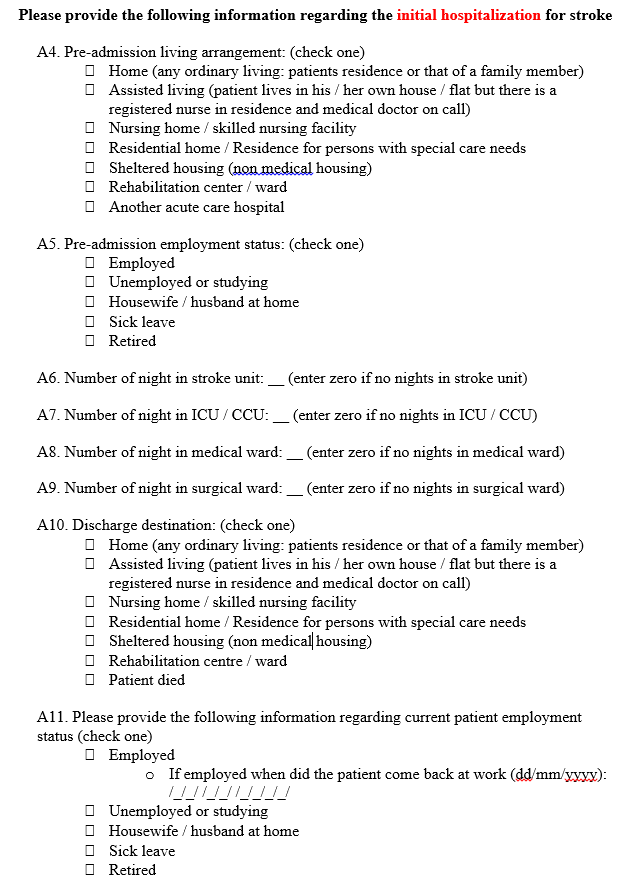
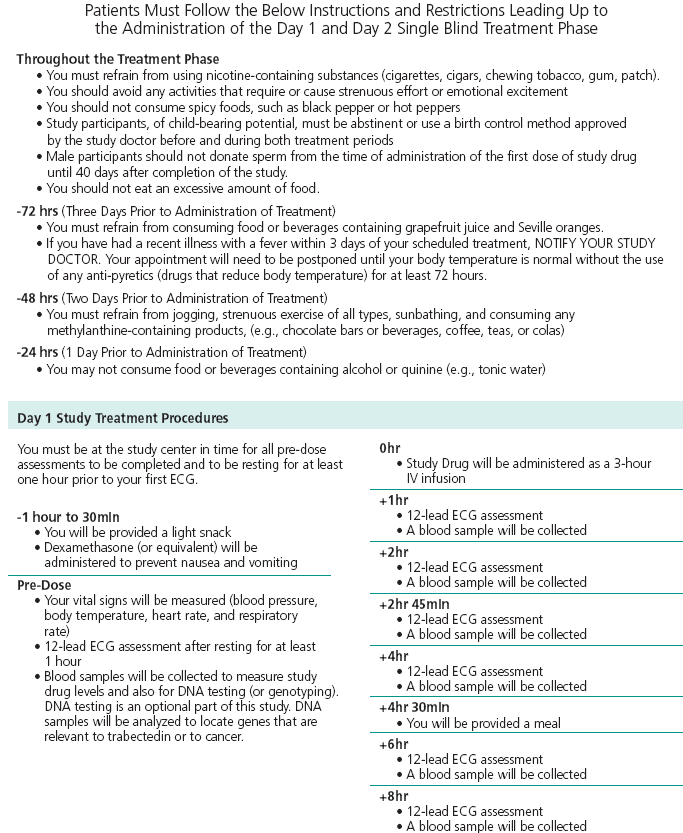
At Semantics Trans, we have been handling Life Sciences translations for more than 20+ years. The various topics relate to pharmaceutical and informed consent form (ICF) translation, covering patient-facing documents, specialist-facing documents and site-specific questionnaires.
During these years we have handled millions of words in all 11 Indian languages (and Urdu), besides some of the major Asian languages.
11 Indian languages and Urdu
Major Asian languages
Over these years we have developed translation memories (TMs) and glossaries in all of these languages in the field of life sciences.
This field is unusual in the sense that a term which appears easy to understand can have a meaning quite different from its literal sense. For instance, "double-blind" can be badly incorrectly read as "blind in both eyes" or "doubly blinded", whereas its actual meaning is "neither the participants nor the researcher knows which individuals are receiving the active treatment (the new drug itself) and which are receiving a placebo".
Similarly, there are many other terms that can be thoroughly confusing unless you are familiar with ICF terminology. Another example is "baseline". It can be misread as "the line that marks each end of the court in games such as tennis", while its meaning in pharmaceutical research is "an initial measurement, test result or observation of a person's health status, used as a standard point of comparison for future evaluations".
Terms that are easily misread
More terms of this kind are shown below, each with its literal reading and its meaning in clinical use.
arm
Can be misread as
The limb
In clinical use
A planned pathway through the study to which participants are assigned, describing the treatments, controls or observations they receive.
trial
Can be misread as
A court case; an ordeal
In clinical use
An interventional investigation in human participants, intended to discover or verify the effects of an investigational product.
serious vs severe
Can be misread as
Synonyms
In clinical use
Severe describes intensity (mild, moderate, severe). Serious is based on outcome: death, a life-threatening event, hospitalisation, lasting disability or a birth defect. A severe headache can be of minor medical significance.
positive; negative (test result)
Can be misread as
Good news; bad news
In clinical use
Positive: the test shows that the person has the disease, condition or marker tested for. Negative: it is not present.
progression; progressed
Can be misread as
Progress, improvement
In clinical use
The course of a disease as it becomes worse or spreads.
culture
Can be misread as
Customs and traditions
In clinical use
Growing micro-organisms or cells in the laboratory.
What we cover
The kinds of life sciences content we handle, each one backed by assignments we have delivered.
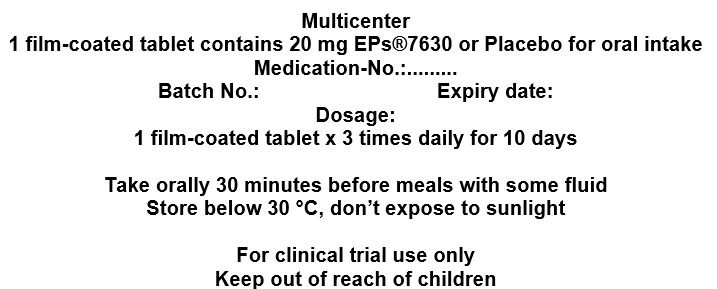
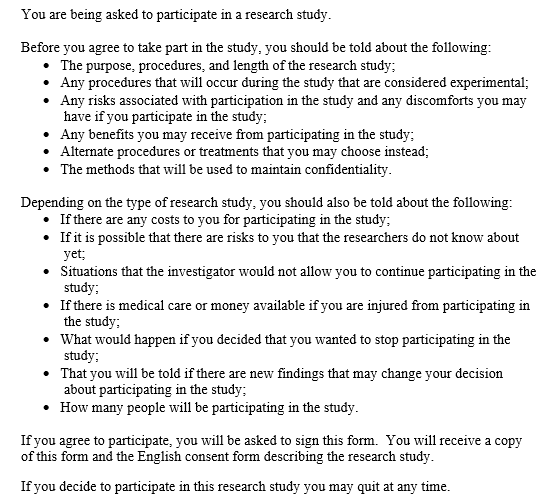
Clinical trials and informed consent
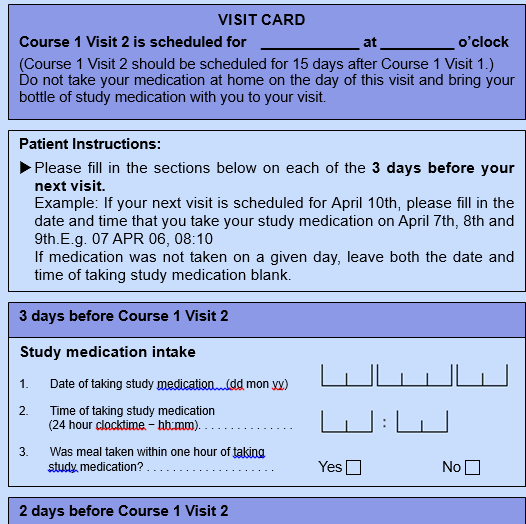
Consent forms, protocols and participant-facing material for clinical studies, from recruitment through to the diaries participants keep at home.
- Informed consent forms
- Paediatric assent forms
- Protocols
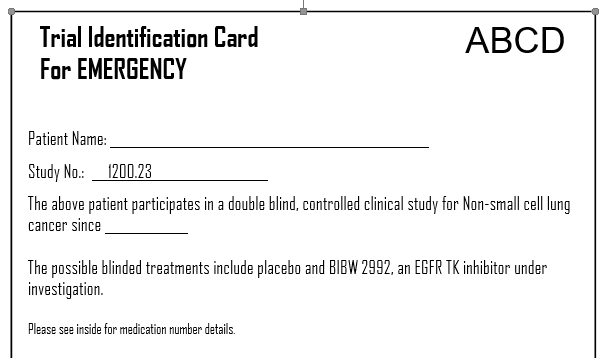
- Participant diaries and ID cards
- Recruitment material
Questionnaires and rating scales
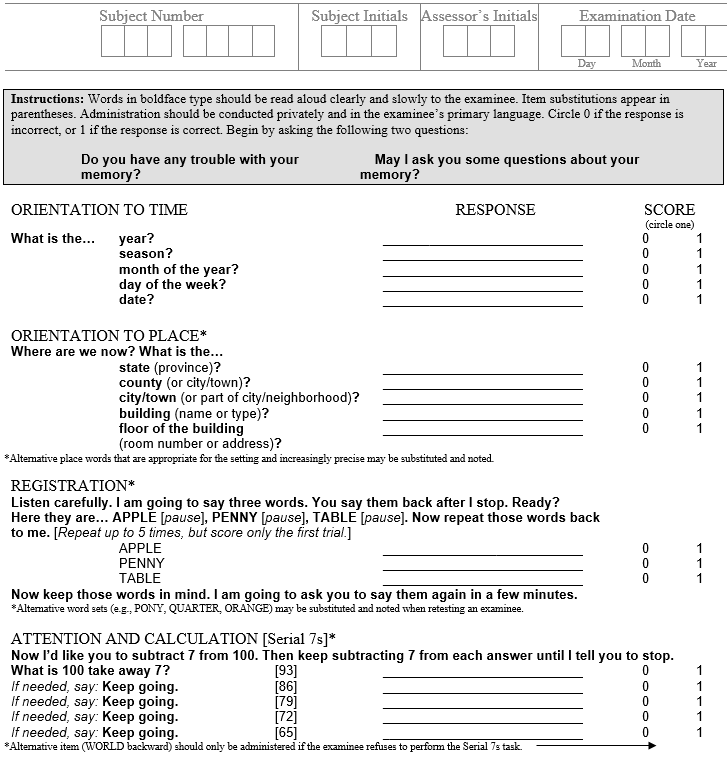
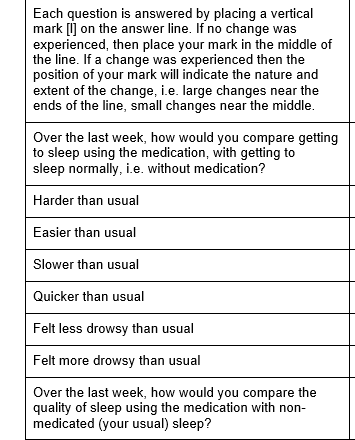
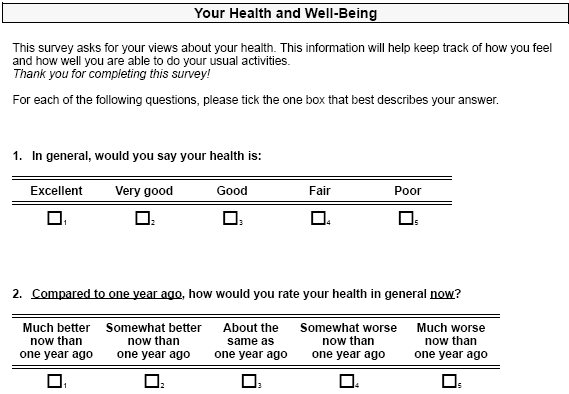
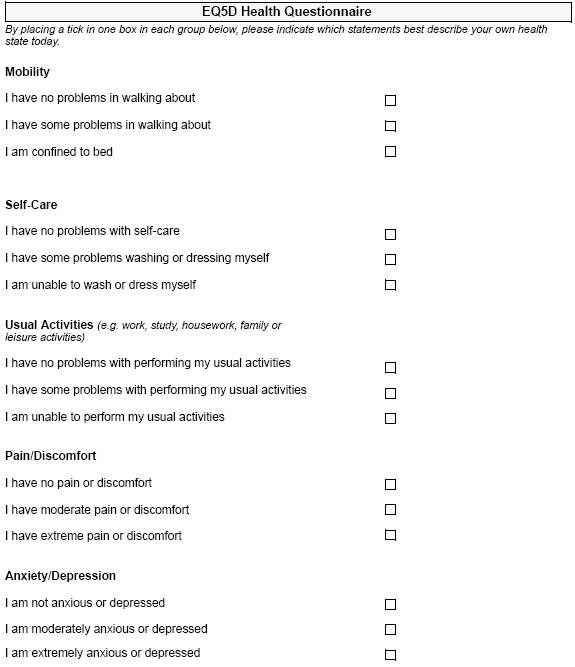
Quality-of-life questionnaires, sleep evaluation scales and clinician-administered cognitive tests, where response options and scale anchors have to mean the same thing in every language.
- Patient-completed questionnaires
- Clinician-administered tests
- Site-specific questionnaires
Medical devices
Instructions for use for implants and stimulators, and consent material for device registries. We are certified to ISO 13485:2016, the quality standard for the medical device supply chain.
- Instructions for use (IFU)
- Device registry consent forms
- Technical specifications
Patient information and public health
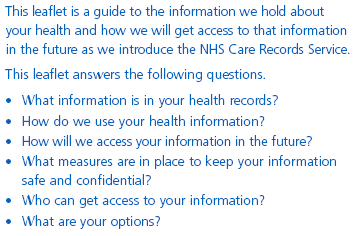
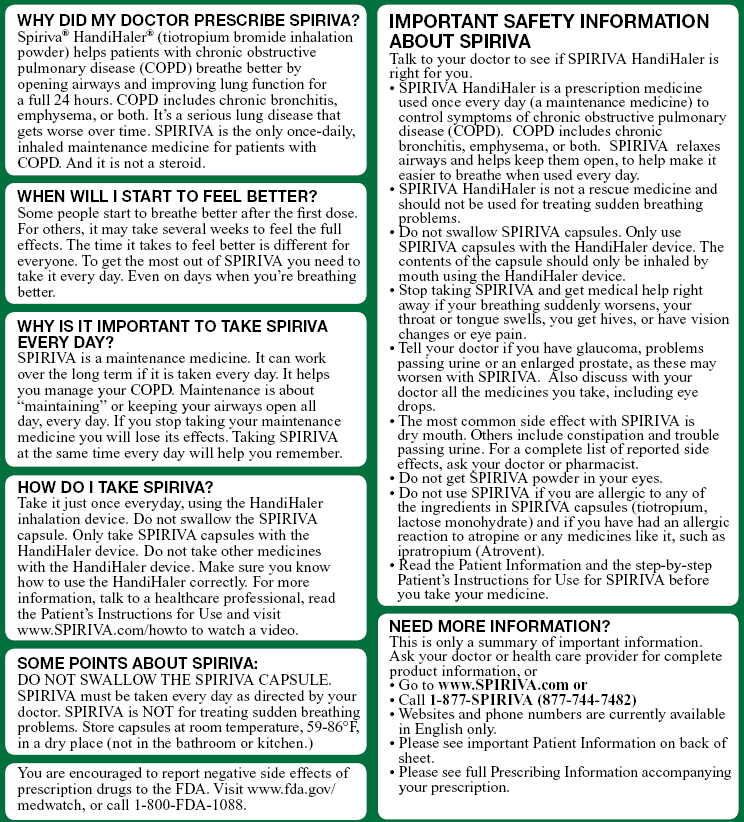
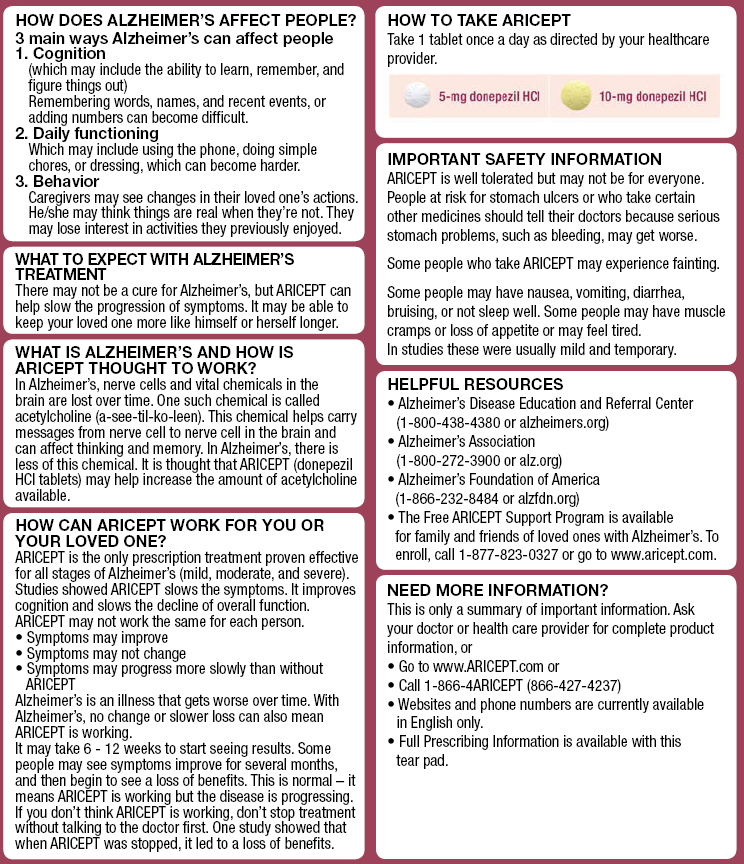
Procedure leaflets, community health information and medication guides, written for readers with no medical training and often read at a stressful moment.
- Patient information leaflets
- Community health information
- Medication guides
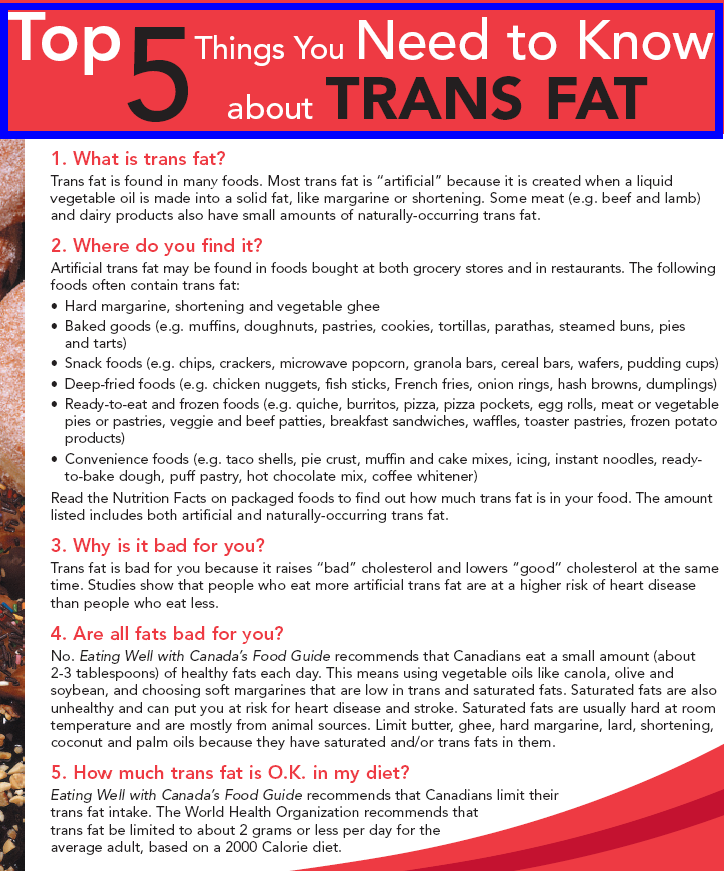
- Diet and self-care guides
Medical records and health insurance
Medical histories, clinical examination findings, insurance claims and health coverage notices, where the reader is an assessor or a policyholder.
- Medical records
- Insurance claims
- Coverage and eligibility notices
Ayurveda and traditional medicine
Ayurvedic texts, product documentation and research papers, where Sanskrit-origin terms have no direct equivalent in Western medicine.
- Formulation documentation
- Product labelling
- Research papers
Excerpts from our most technical assignments
Here are a few excerpts from the most technical medical, pharmaceutical and ICF assignments we have handled between 2005 and 2023 (18 years).
Original documents we've translated
A selection from the excerpts below. Select one to read it in full.
Showing 10 of 105 excerpts · In an opened excerpt, underlined terms show what they mean in clinical use
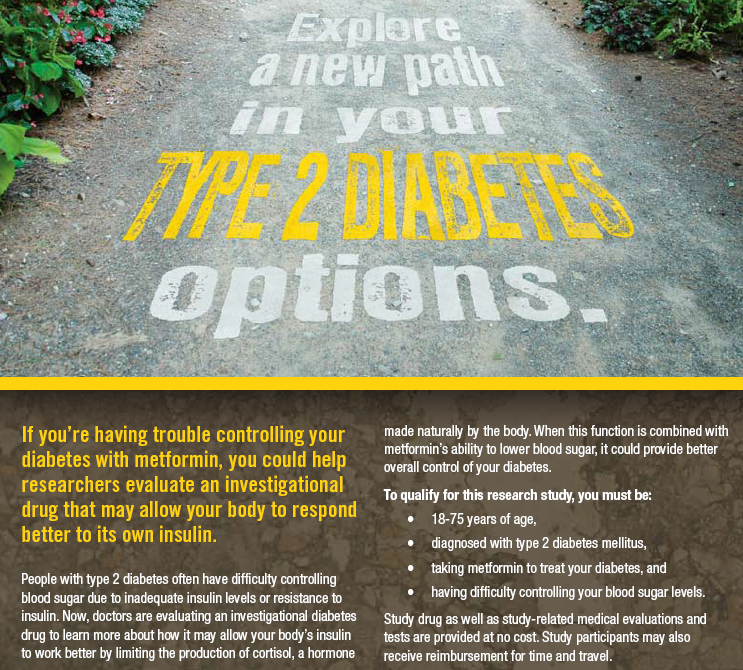
A , , and -Controlled, Study of the and Safety of Rivoglitazone as Monotherapy Treatment of Type 2 Diabetes Mellitus with Optional 26-Week Active Comparator-Controlled Extension Periods [Rivoglitazone and pioglitazone are the "study drugs" for this extension study. Rivoglitazone is an investigational drug. An investigational drug is a drug that is still being studied and has not been approved by the United States Food and Drug Administration (FDA) and the Drug Controller General of India [DCG(I)] or by other regulatory agencies around the world. The use of rivoglitazone is permitted for research purposes only. Pioglitazone is approved by the US FDA and other regulatory agencies for the treatment of type 2 diabetes under the commercial name "[withheld]". It is used in this extension study for comparison purposes.]
consists of 70 questions which assess 11 dimensions of health-related quality of life including general health perception, social relationships, emotional distress, energy/fatigue, sleep, cognitive functioning, physical activities, coping, future, impact of symptoms and , and treatment. In addition, one item assesses resources (financial difficulties), one item assesses satisfaction with care and one item the level of worry caused by the difficulties of having a child.
these questionnaires ask about how HIV and its treatment have affected a patient's health and life over a certain period.
A Multicenter, , , , , , Phase III study to assess the effects of [withheld]-064992 on and Mortality in patients with Symptomatic Pulmonary Arterial Hypertension.
A random, , and Controlled research of the Revoclytoson safety and benefits in Monotherapy treatment type 2 of diabetes mellitus.
A , , and -controlled, study to determine the and safety of Rivoglitazone as monotherapy treatment of type 2 Diabetes Mellitus with active comparator controlled optional 26-week extension period.
The triggers for your asthma symptoms are all around you—pets, pollen, pollution, and even people. What are you doing to stay in control? If you continue to experience attacks even though you take your medication as directed, you may want to consider volunteering for a clinical research study.
Patient has used medications with known activities as strong or inducers of P-450 metabolism (e.g., phenobarbital, phenytoin, rifampin, trimethoprim/sulfamethoxazole, and ketoconazole [or other azoles]), 2 weeks prior to Visit 1, or plans to take such medications during the study. Patient has used any medication with a (e.g., Warfarin, Coumadin, Dicoumarol, digoxin, Digitoxin) within 2 weeks prior to Visit 1 or plans to take such medications during the study.
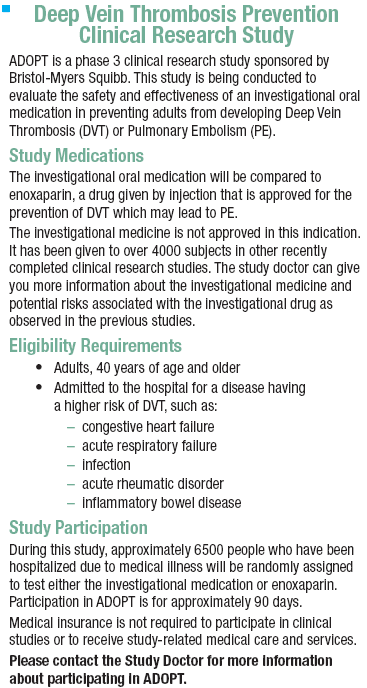
Warfarin Sodium (COUMADIN®), also known as warfarin, is an approved drug that is used to prevent blood clots from forming or growing larger in your blood and blood vessels. Warfarin is in a class of medications called or blood thinners.
One of the conditions for which warfarin is prescribed is to help prevent and treat blood clots associated with an irregular heartbeat called atrial fibrillation. Warfarin works by blocking the formation of clotting factors in the liver that are dependent on vitamin K.
As a participant in the CV185030 clinical research trial, you have been assigned to 1 of 2 study treatment groups and you are currently taking study medication, either an or warfarin. This study is being conducted "," which means neither you nor your study doctor will know if you are taking the investigational medication or warfarin, except in a medical emergency.
In addition to your study medication (investigational medication or warfarin), you are also taking a (inactive pill).
Since your study medication may include warfarin, you must follow the medication precautions and dietary rules as if you are taking warfarin. This Warfarin Information Guide is a helpful source to assist you during your participation in this study.
Study with an ERA in Pulmonary arterial Hypertension to Improve clinical outcome () - Long-term open-label of the SERAPHIN study, to assess the safety and of [withheld]-064992 in patients with symptomatic pulmonary arterial hypertension
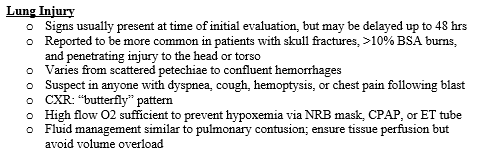
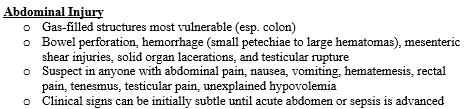

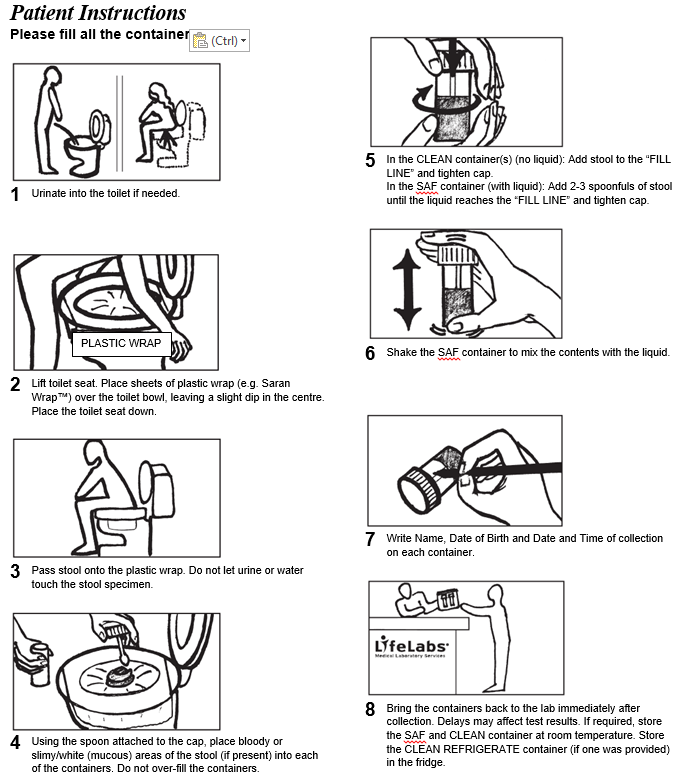
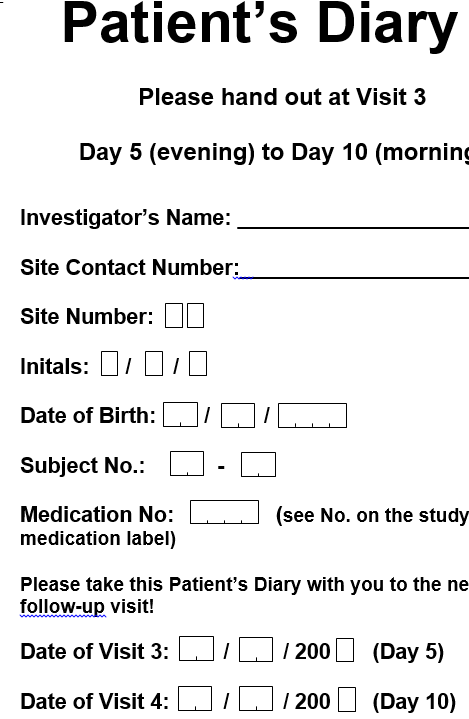
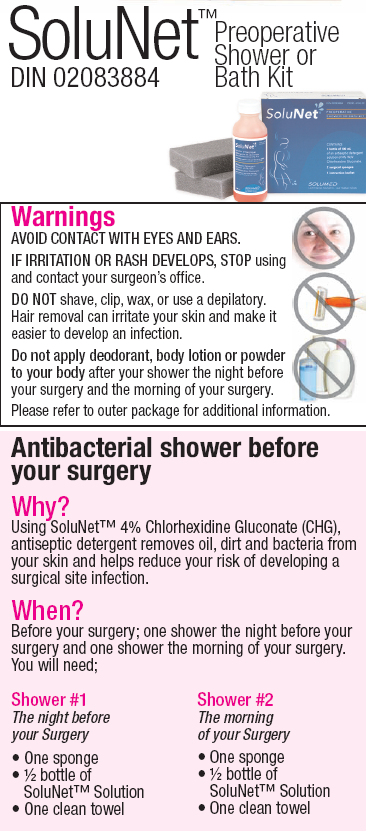
Translated patient information
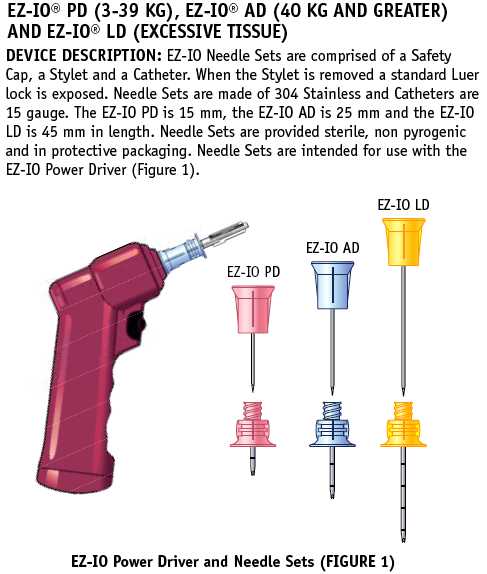
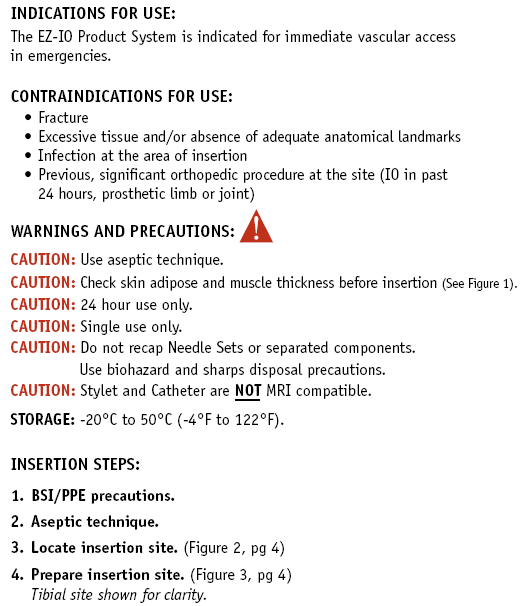
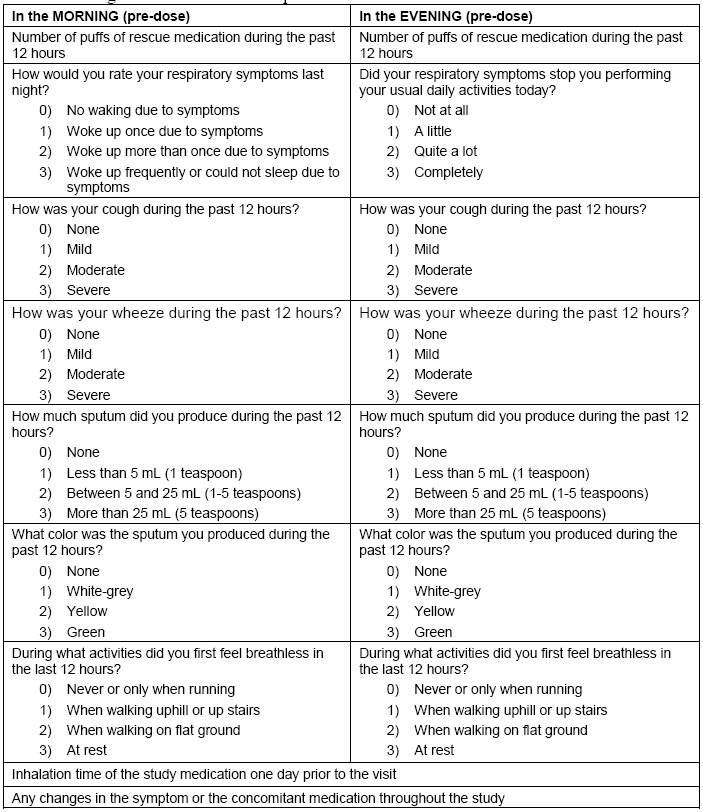
Pages from patient leaflets we have translated, shown as delivered, beside the English original.
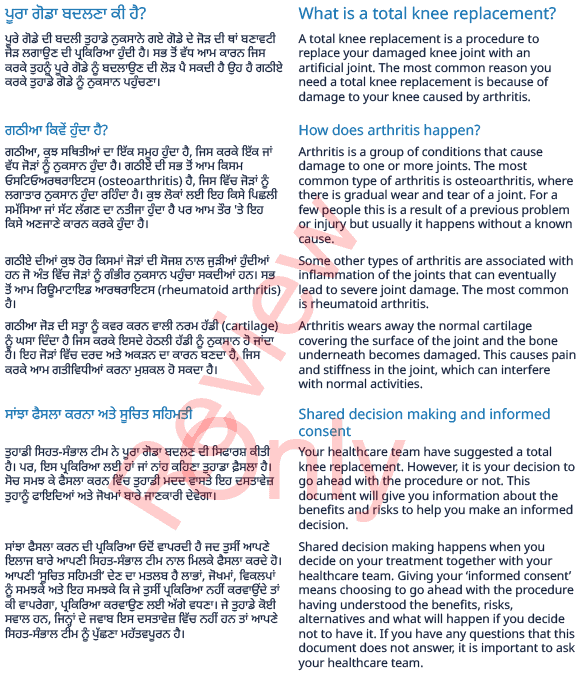 PunjabiTotal knee replacementBeside the English
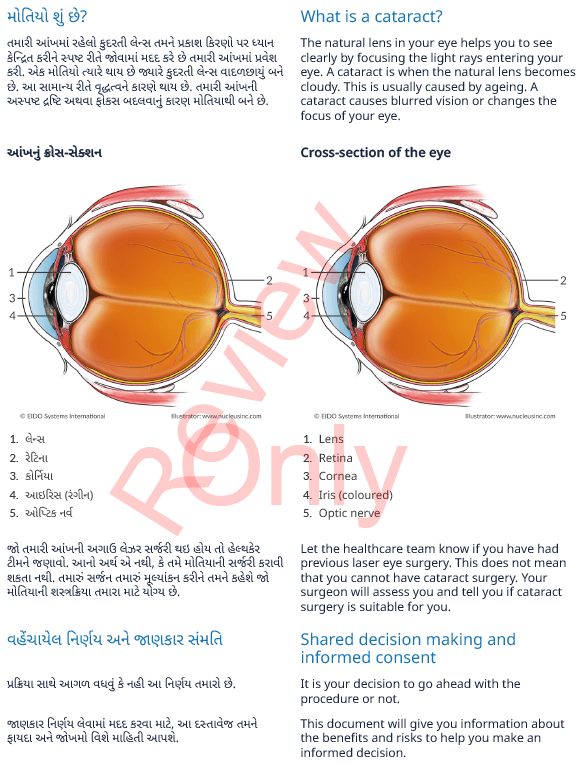 GujaratiCataract surgeryBeside the English
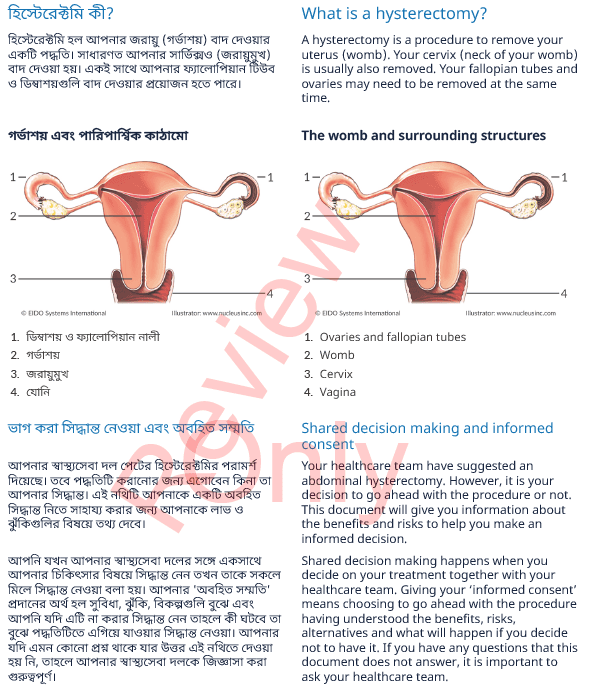 BengaliHysterectomyBeside the English
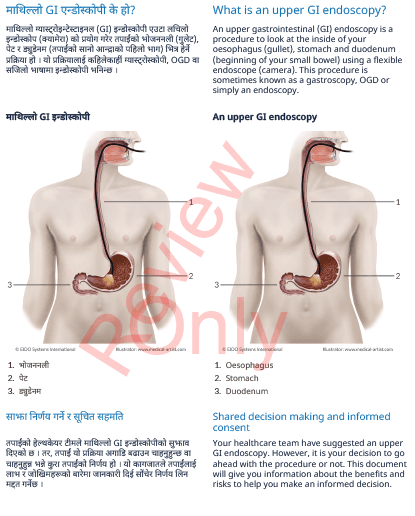 NepaliUpper GI endoscopyBeside the English
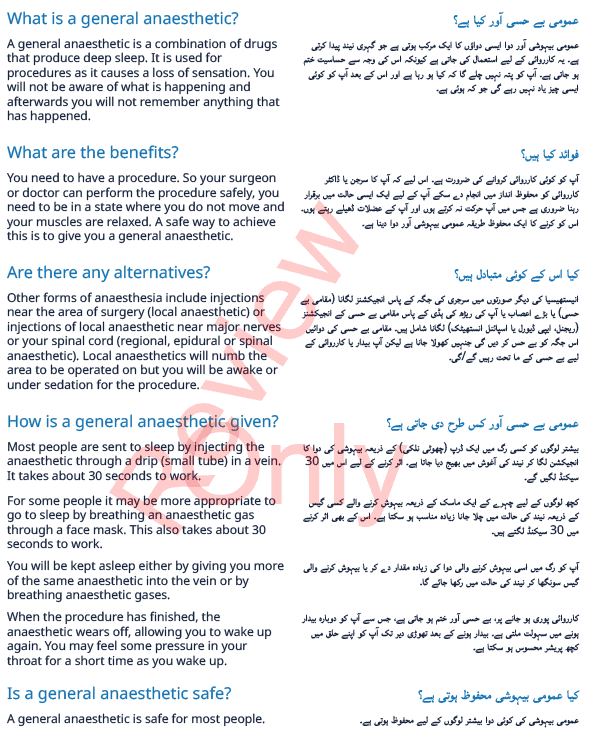 UrduGeneral anaestheticBeside the English
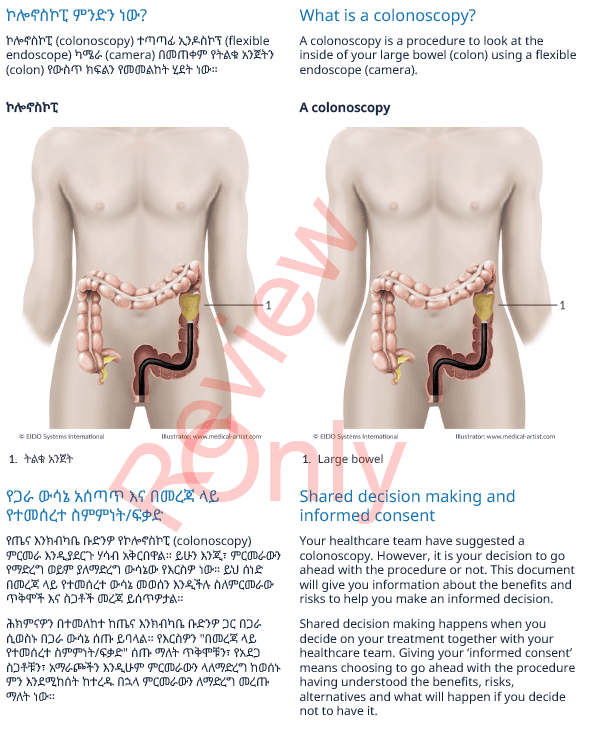 AmharicColonoscopyBeside the English
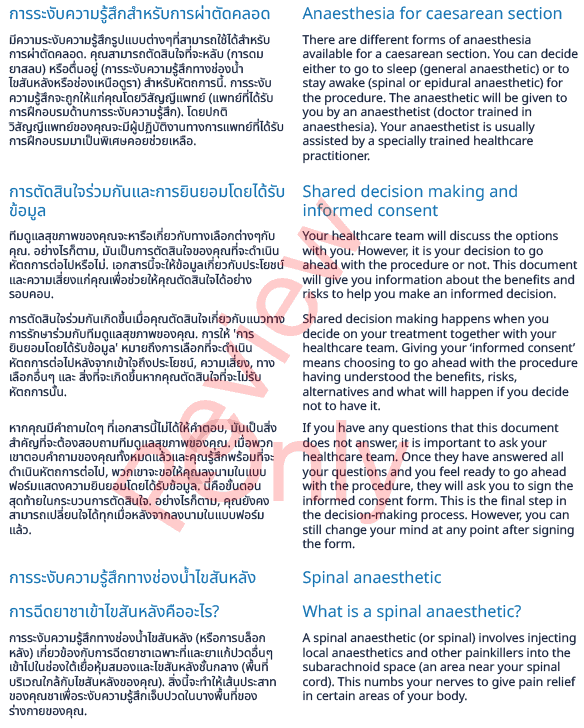 ThaiAnaesthesia for caesarean sectionBeside the English
 Simplified ChineseAnaesthesia for caesarean sectionBeside the English
Recent life sciences projects
The 6 most recent of 14 healthcare and pharmaceutical projects on our current project list.
Confidential (Pharmaceutical)
CompletedInformed Consent Forms (Patient Facing) - clinical study on the timing of umbilical cord clamping for very preterm infants (born…
Healthcare & Pharmaceutical
per language
Confidential (Pharmaceutical)
CompletedClinical Trial Participant Materials - Informed Consent Form for a study in newly diagnosed multiple myeloma (maintenance therapy…
Healthcare & Pharmaceutical
per language
Confidential (Healthcare)
CompletedPatient Information Leaflets - Termination of Pregnancy, Cataract Surgery (phacoemulsification) with Monofocal Intraocular Lens…
Healthcare & Medical
Confidential (Insurance)
CompletedMedical Insurance Reimbursement Claim - medical history, clinical examination findings and cause-of-death documentation
Healthcare & Medical
Confidential (Health Insurance - US)
CompletedUS Health Insurance Notices - Health Insurance Marketplace coverage options and eligibility, enrolment periods, employer-offered…
Healthcare & Medical
Confidential (Healthcare)
CompletedPatient Information Leaflets - Surgical & Clinical Procedures: Spinal Anaesthetic, Mastectomy, Pacemaker Insertion, Implantable…
Healthcare & Medical
per language
Case studies
Life sciences projects, with the problems and the corrections described in full.
English → 9 Indian Languages: ICF Translation for a Stem Cell Transplantation Clinical Trial
A 22,000-word Informed Consent Form for a clinical trial related to stem cell transplantation, translated simultaneously into 9 Indian languages - navigating the fine line between clinical precision and participant comprehension across nine distinct scripts, with no established pharmaceutical vocabulary database available for several of the target languages.
Consistent, Clinically Accurate at Scale: English to Punjabi Patient Information Translation
A large set of pre- and post-operative patient information documents translated from English into Punjabi - and the quality framework built to catch what a fluent-sounding translation can still miss: an inconsistent term, a transposed risk statistic, or a quietly dropped safety clause.
Inside a Regulated Translation Review: English to Kazakh for a Medical Device Manufacturer
A regulated Instructions for Use translation for a medical device manufacturer, from English into Kazakh - the structured, documented QA review process that catches terminology inconsistencies and mistranslations before a document reaches a hospital shelf, with real before-and-after correction examples.
Standards we are certified to
A quality management standard written for organisations in the medical device supply chain, including those providing services to device manufacturers.
The standard written specifically for translation companies. It sets minimum qualifications for translators and requires that a second qualified linguist revises every translation.
The international standard for protecting information. It covers who can access client files, how they are stored and transmitted, and what happens if something goes wrong.
How the work is protected
- ›Pharmaceutical and ICF work runs at our Full Human TEP tier: translation, editing and proofreading by three separate native-language professionals, with no AI at any stage.
- ›One glossary is agreed before translation begins and applied across every language team on a study.
- ›Figures are verified as a separate check: dosages, risk percentages and measurements, digit by digit.
Reference library
Glossaries and guides we have published from this work.
From our blog
India as a Clinical Trial Translation Hub: Language Diversity as an Asset, Not a Barrier
India's 22 languages are usually seen as a translation burden. Here's why that framing is backwards - with 2026 regulatory data, real numbers, and a practical sponsor framework.
26 August 2026Plain Language Summaries for Clinical Trials: A Guide
EU CTR now requires a plain language summary for every clinical trial. See the deadlines, reading-level rules, and translation requirements sponsors must meet.
27 July 2026Have a life sciences project?
Tell us the document type, the languages and the deadline. We will confirm the approach and who would handle it.
Translator with a life sciences background? Apply through the same form and list it under your specialisations.